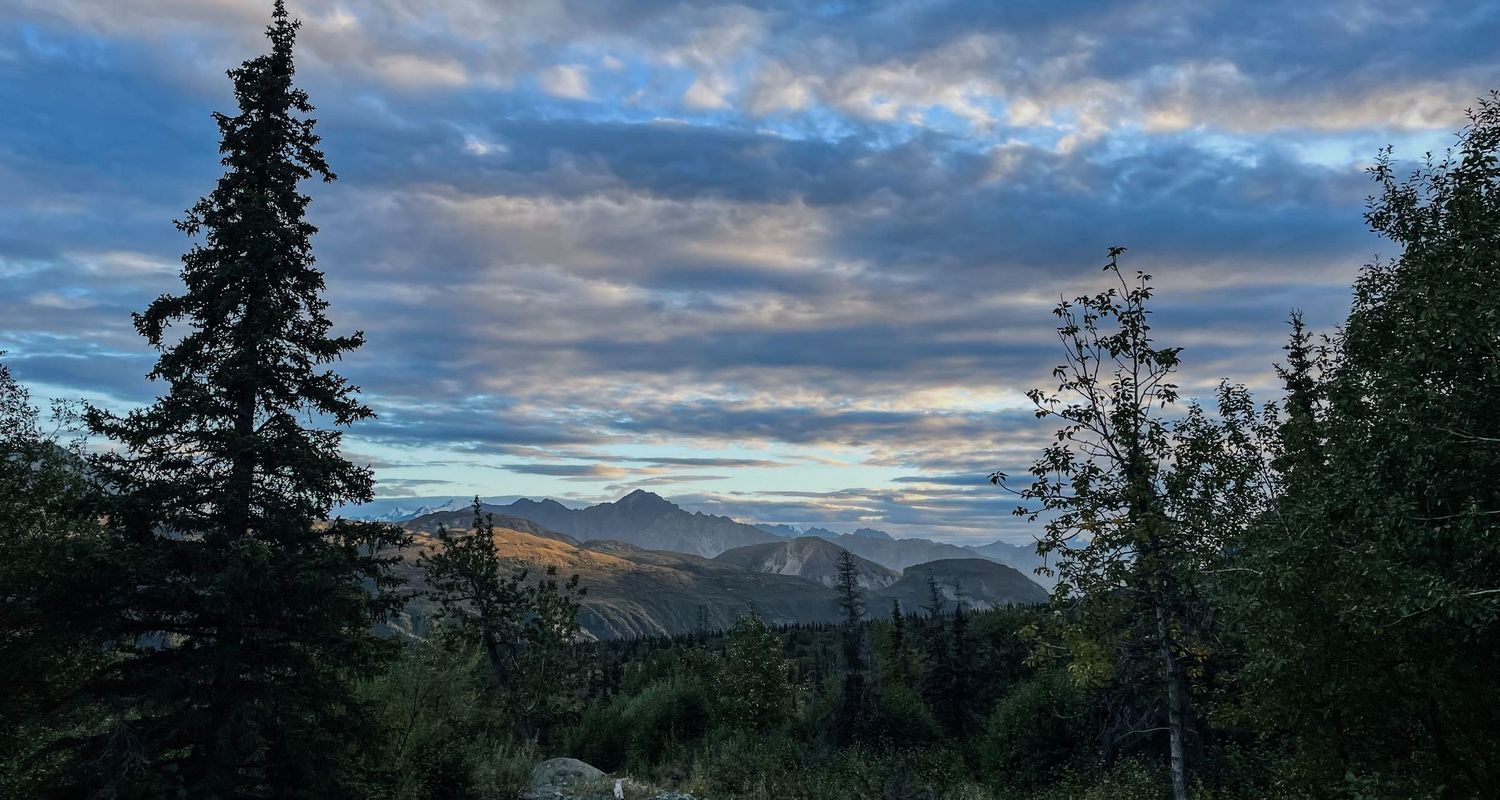
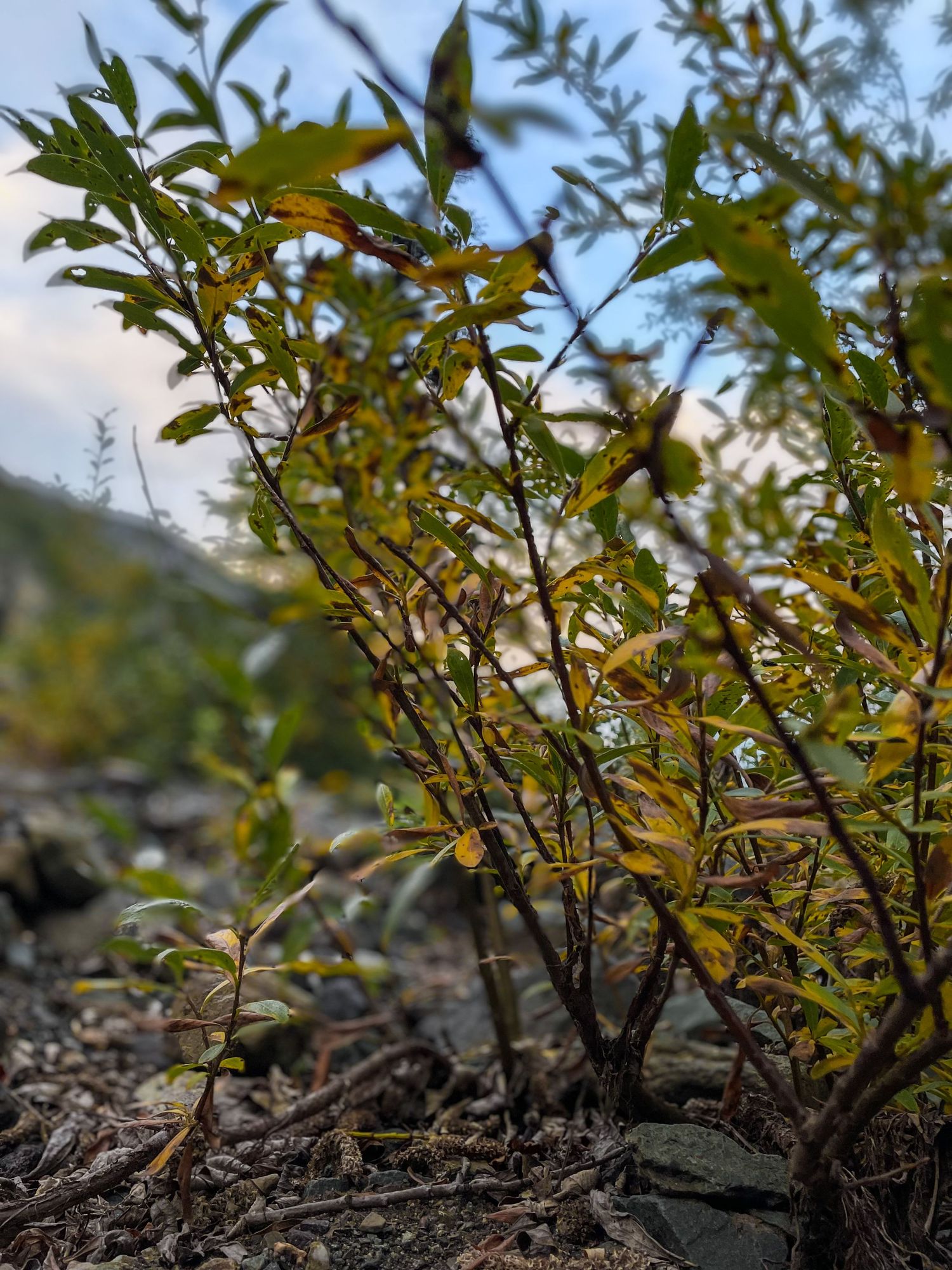
An iPhone photo. For such an effect, turn your camera upside down to allow for a low to high shot that puts the sky in the background. Take the picture under "portrait" setting while adjusting the f-stop to the lowest number to get the blurry background or 'bokeh"
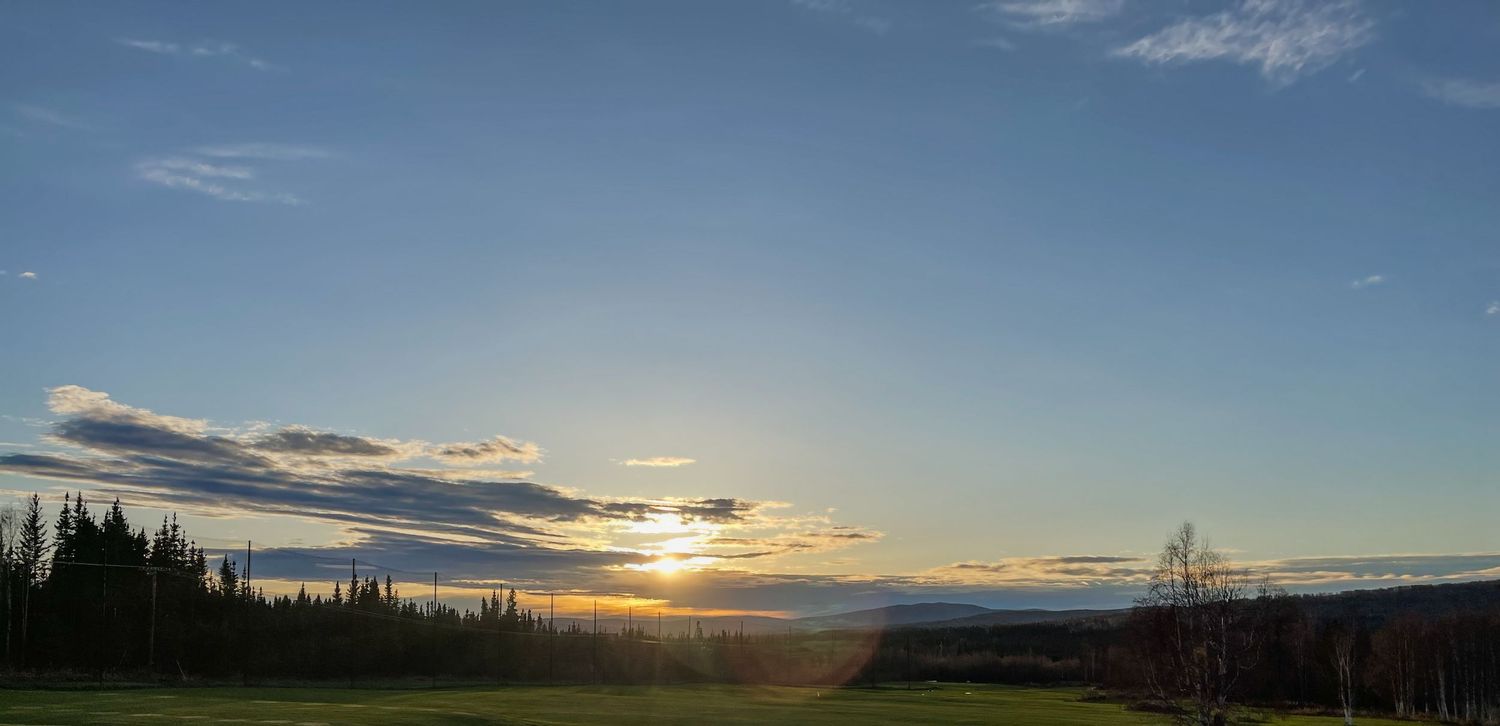
5.1mm, 1/3400, f/1.6 ISO 32. Oftentimes, lens flare adds quite the dramatic effect.
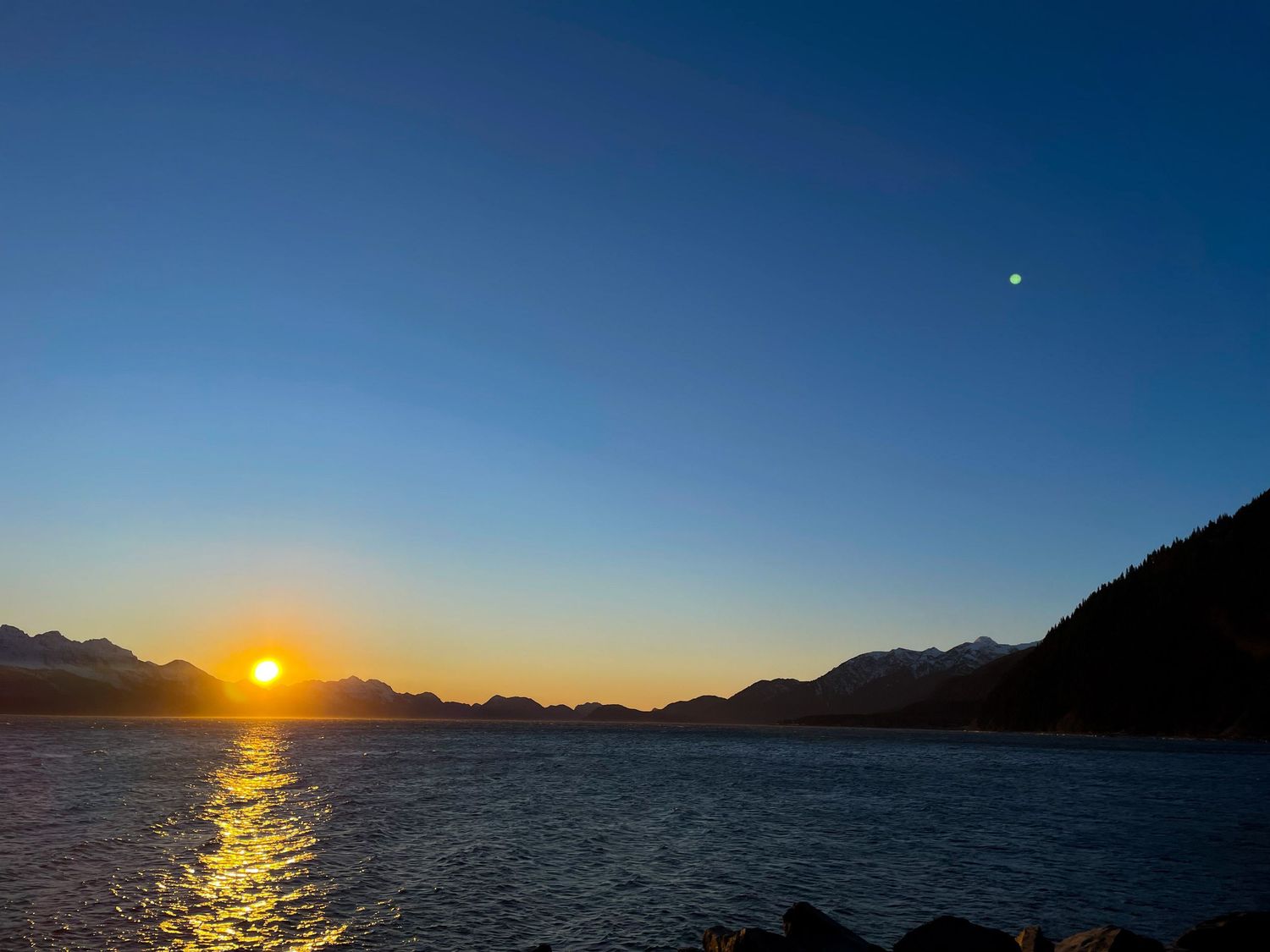
1/6000, f/1.6, ISO 50. Resurrection Bay never disappoints. So thankful for warm coats, it was very cold this particular morning.
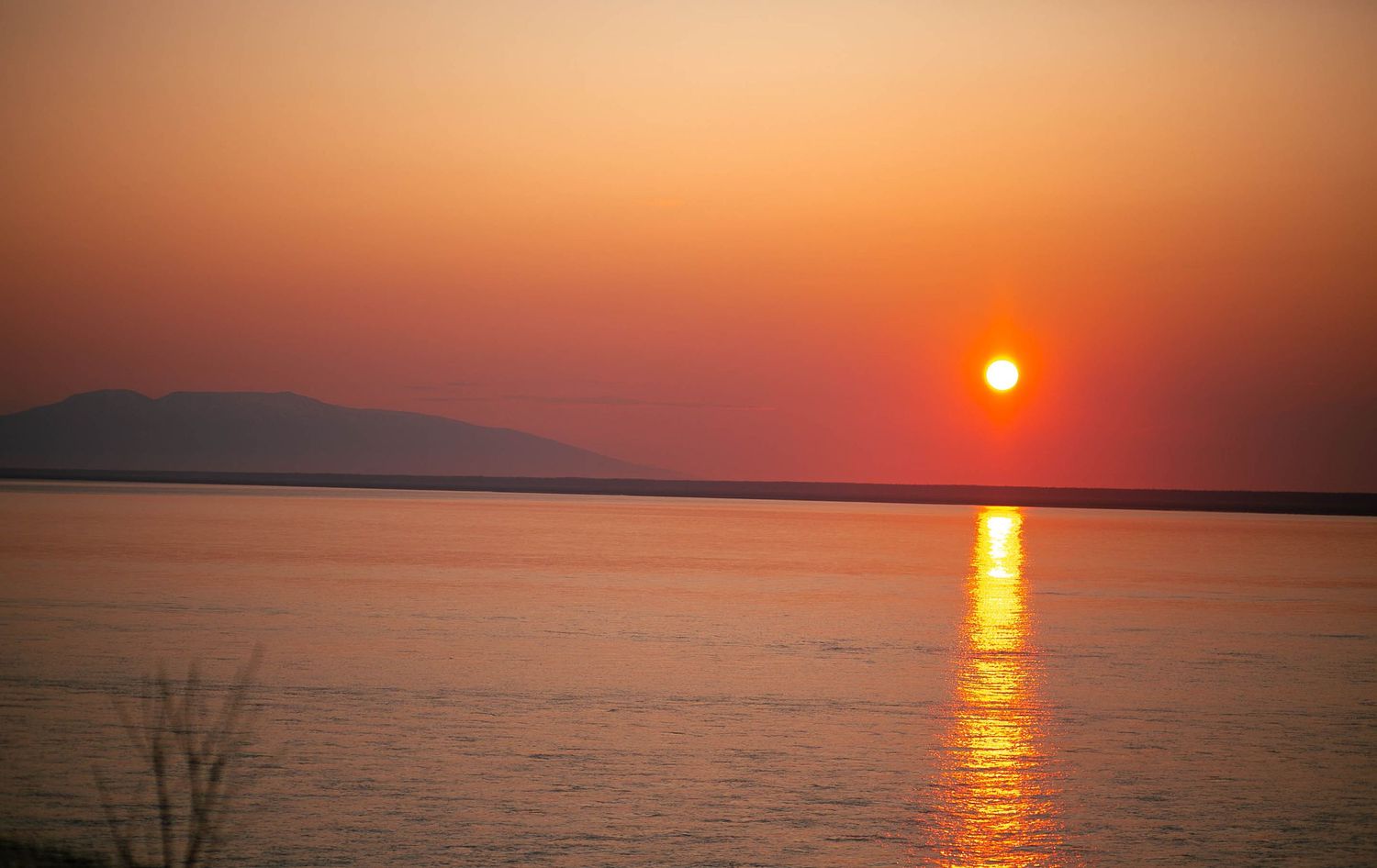
85mm, 1/4000, f/2.0, ISO 100. Lightroom presets added the blood-red sky to this photo of the Cook Inlet. Photography can be as creative as you want it to be.
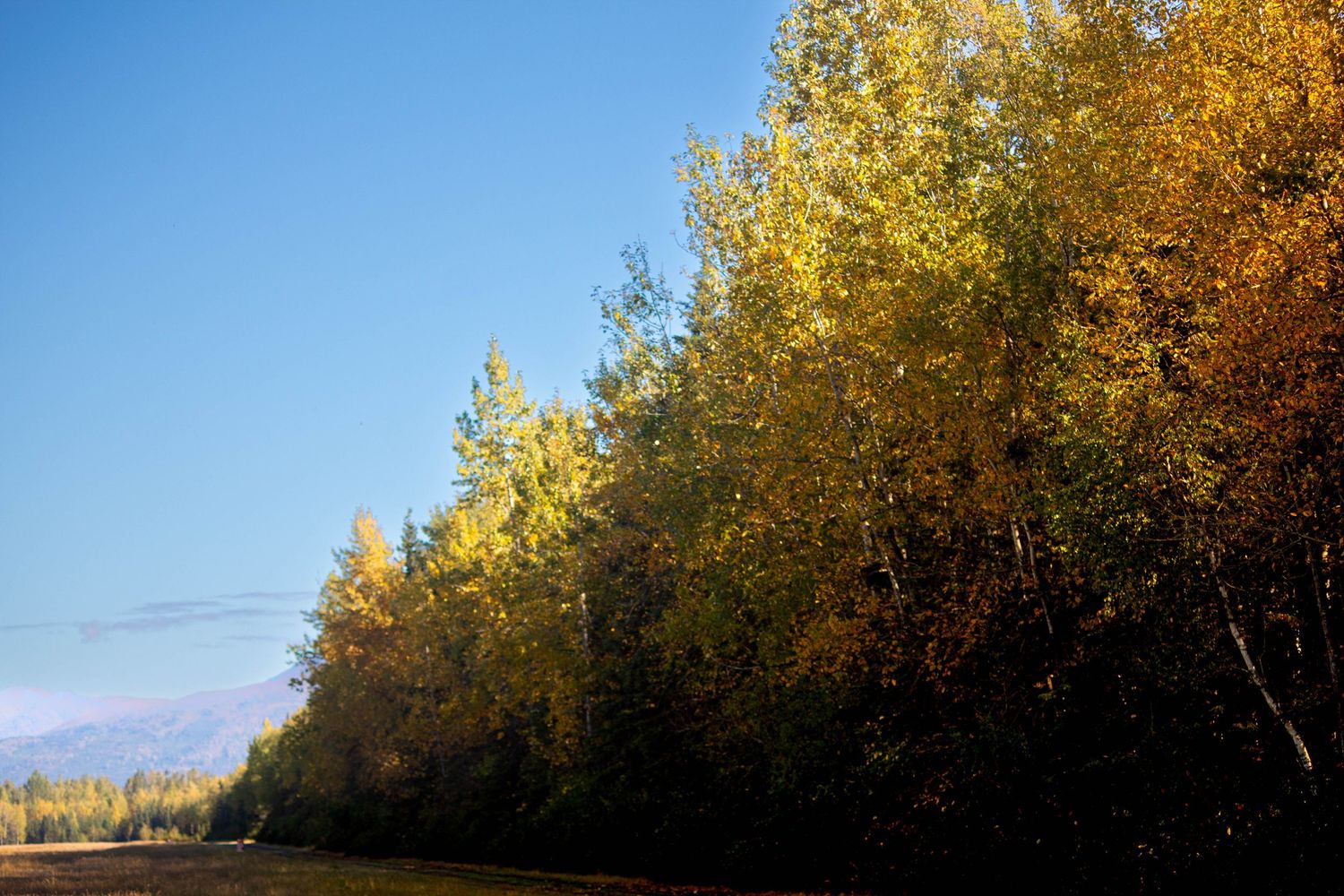
70mm, 1/400, f/4.0, ISO 100. One can really appreciate living in Alaska--true seasons persist. Each season is distinct with its own promise and expectation. Here, used Lightroom to accentuate the fall colors at Campbell Airstrip park.
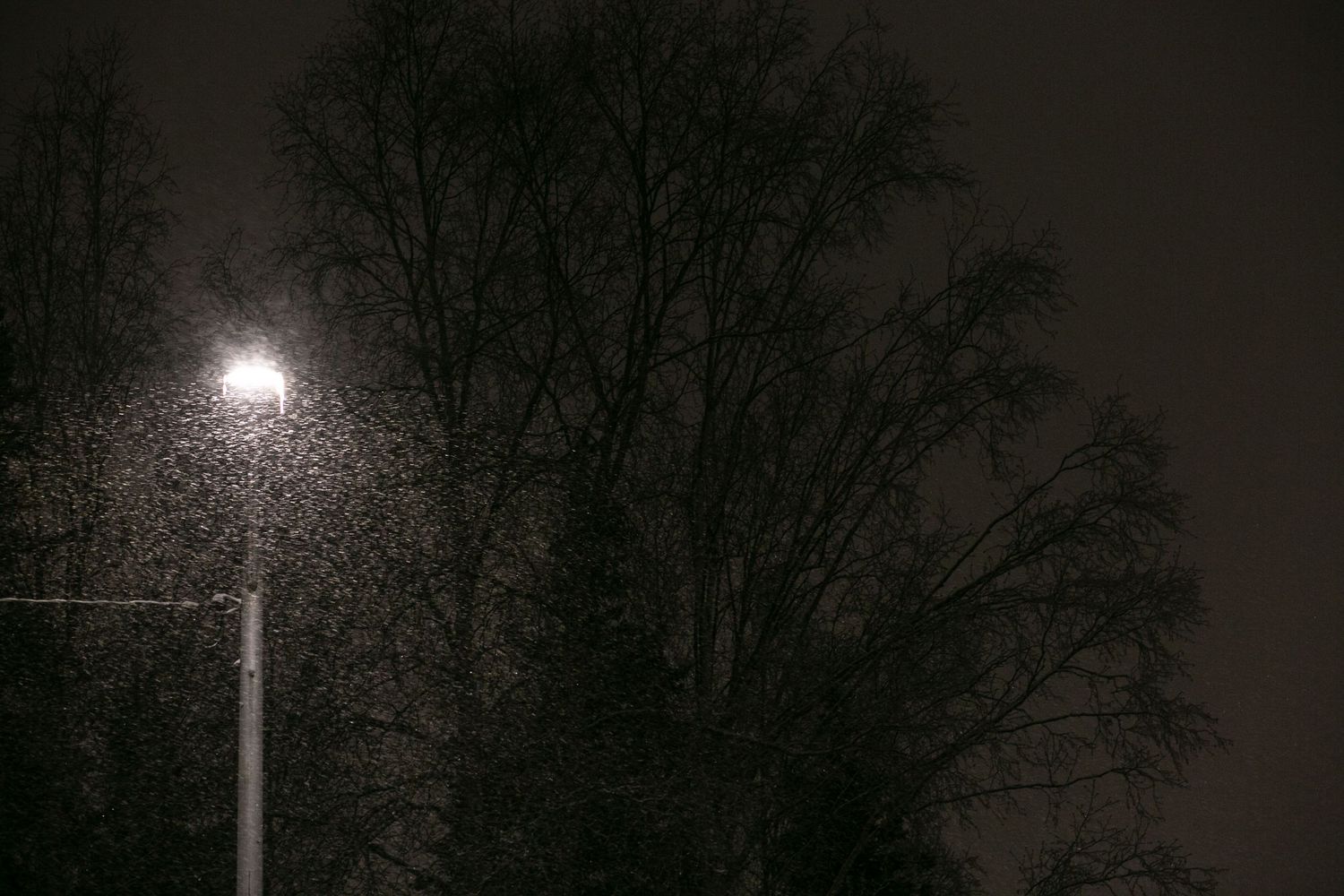
85mm, 1/60, f/4.0, ISO 800. This photograph is an exercise in white balance. Color is recorded on a temperature scale (Kelvin) with warm or golden colors being low (1,000K lowest value) and cool or blue colors being high (10,000K highest value). The temperature scale on this photo was set at 4,550--a neutral setting. Adjusting white balance can provide a great degree of control over how you want your photo to look.
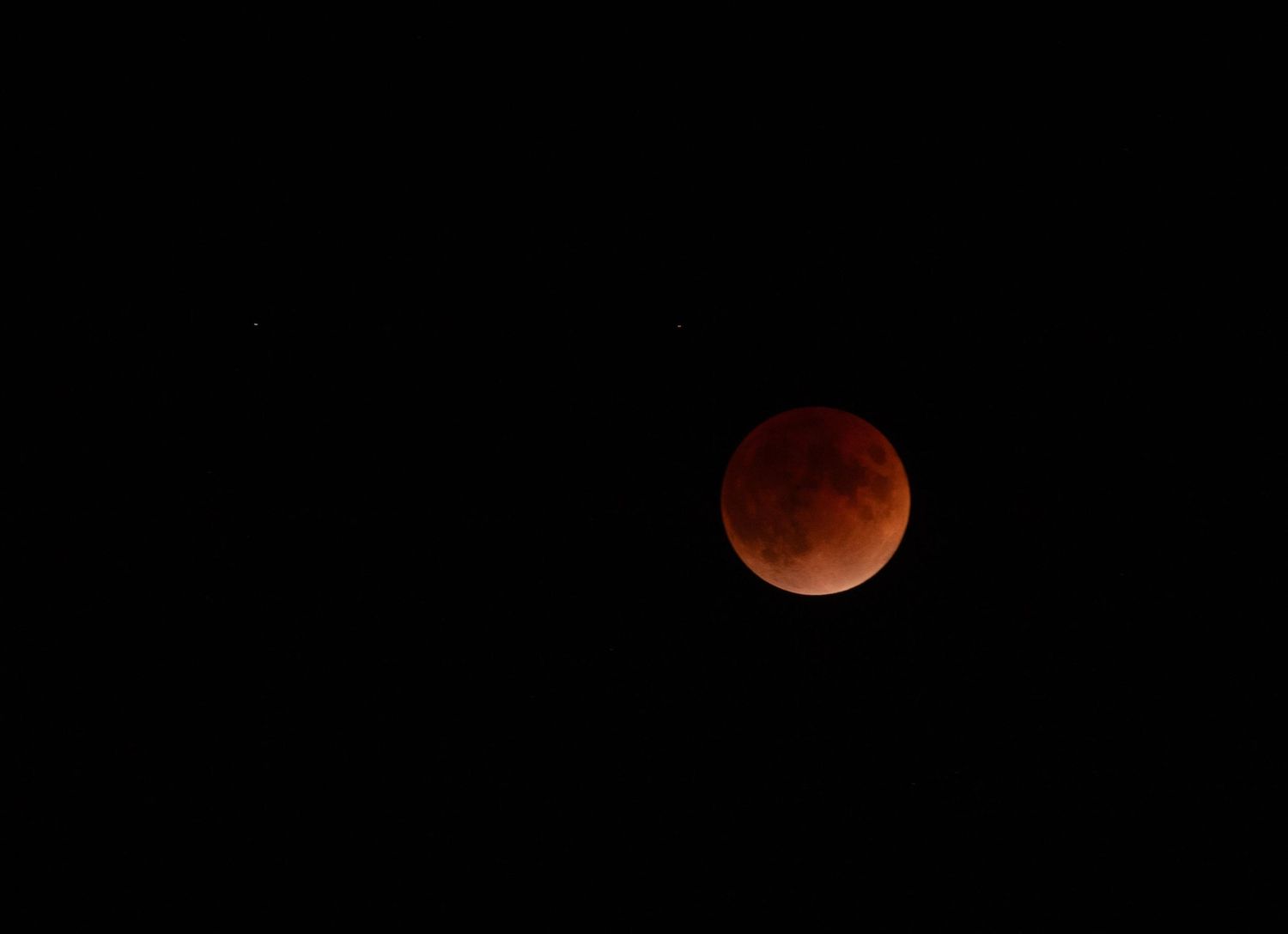
250mm, 2s, f/9.0, ISO 400 Blood moon as seen at 2:45am on Tuesday March 2, 2026 in Anchorage, AK. The two bright stars to the above left are actually the planets Venus (the bright one) and Saturn. This night, it was below zero and my fingers were freezing!
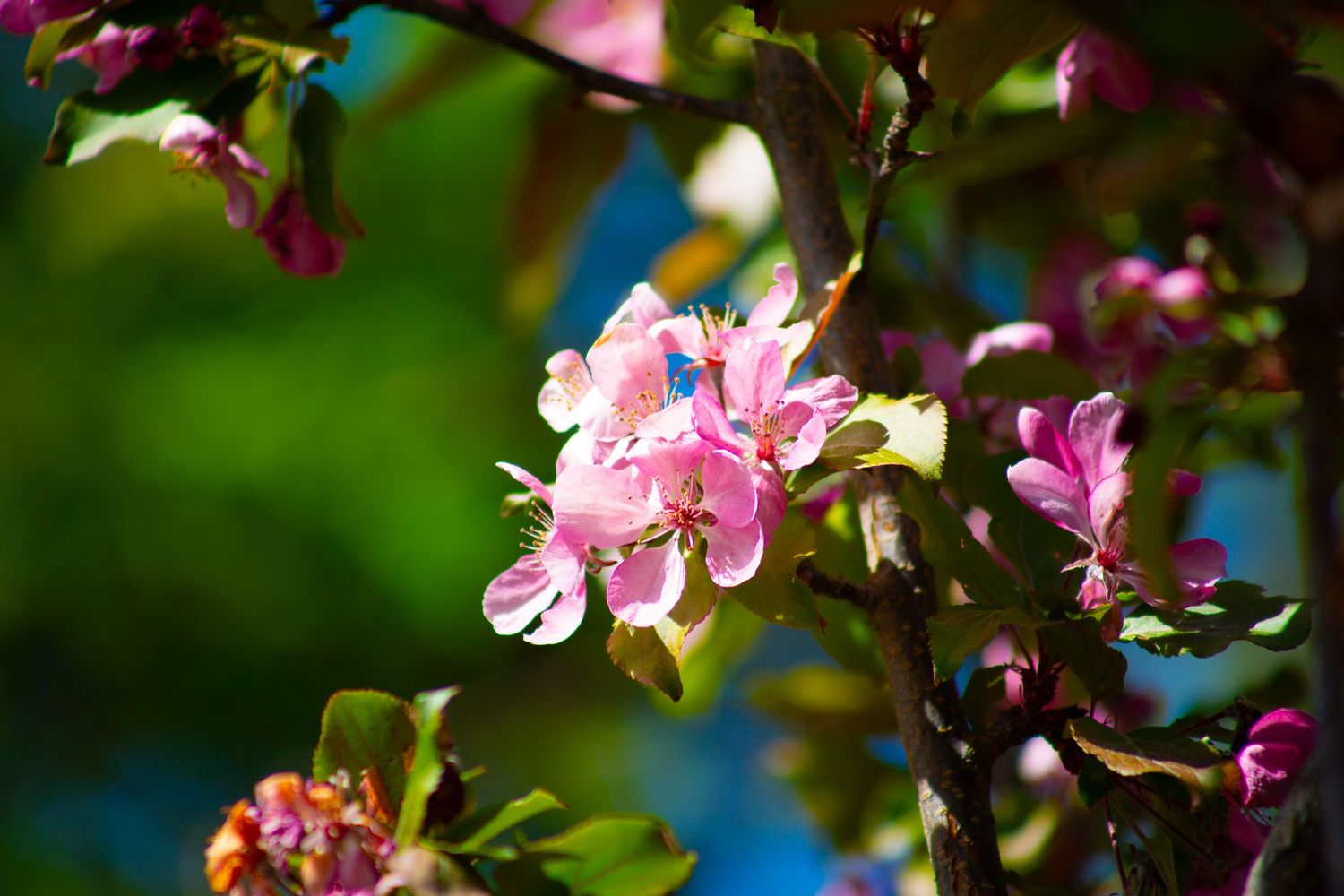
300mm, 1/250, f/5.6, ISO 100 Alaska isn't always cold and dark, summers can be quite spectacular. Here, the the strong telephoto lens allows closeups into a flowering tree.
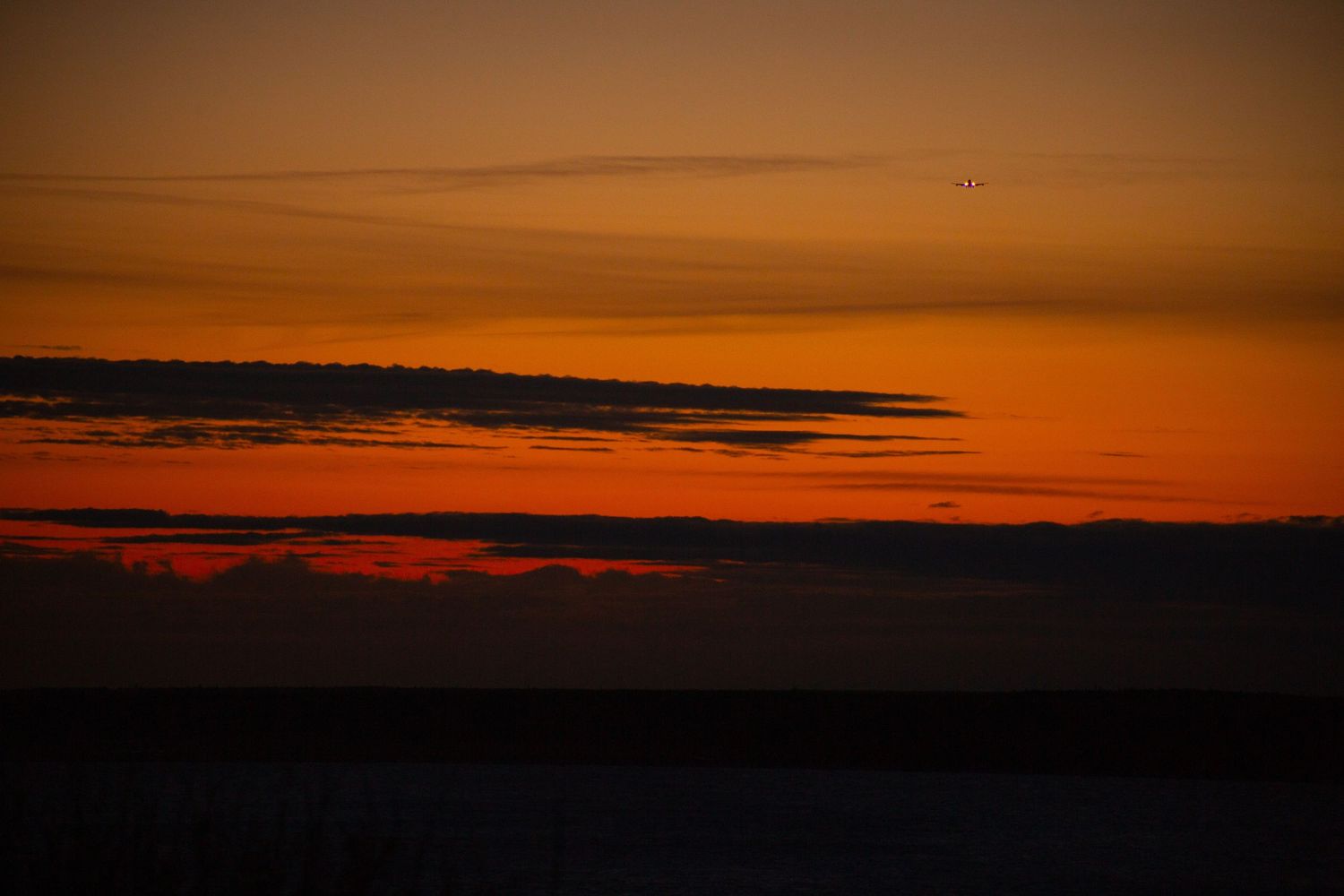
240mm, 1/250, f/5.6, ISO 800 A vibrant sunset greets a 747 as she comes into land at Ted Stevens on June 7, 2026. During the longest days of summer in Anchorage, the sun only goes under the horizon by 5 degrees, leaving Anchorage in a state of "functional twilight". In astronomical terms, true night will not return to Anchorage until the last days of August.
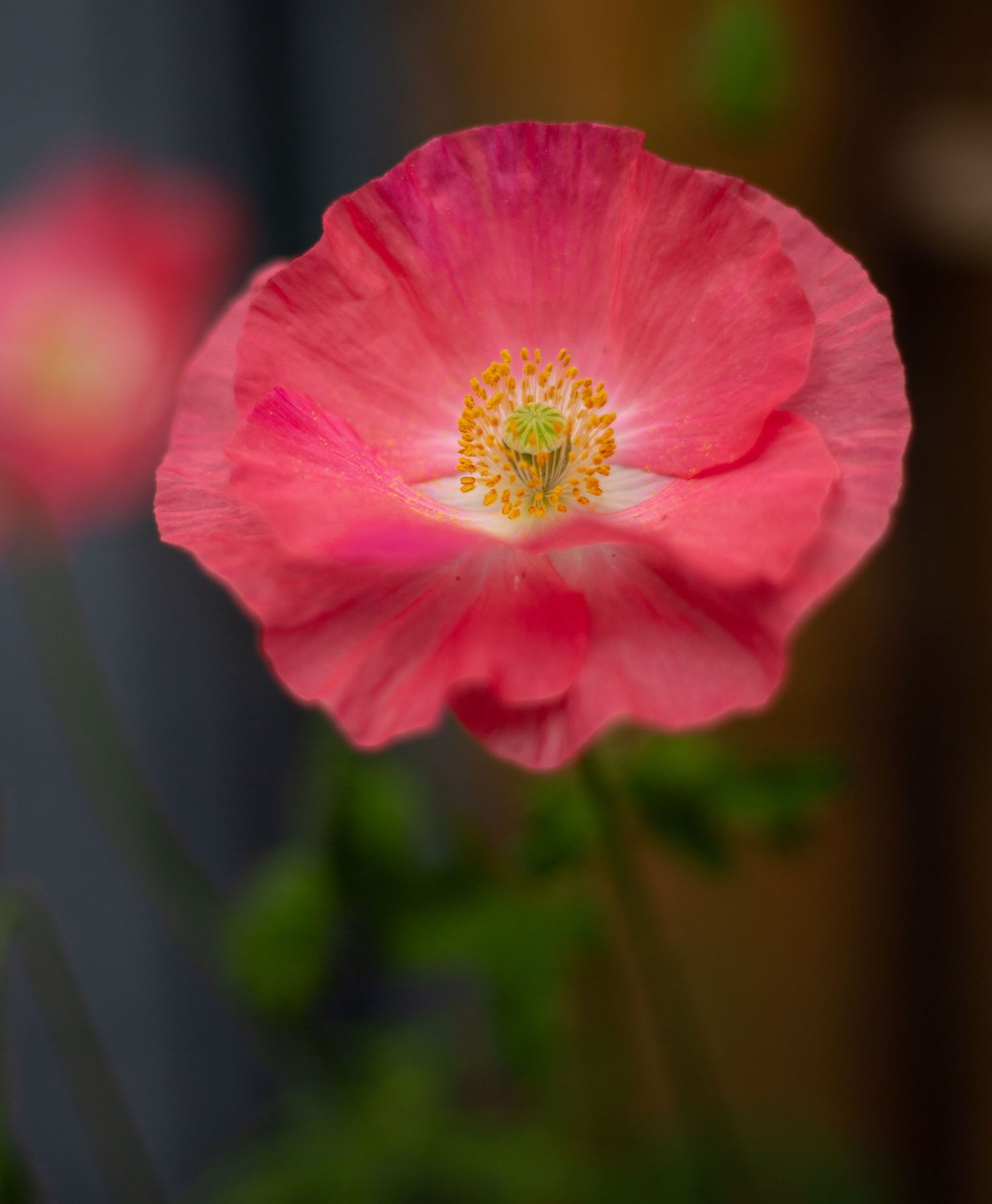
50mm, 1/2000, f/2.0, ISO 100. The 50mm f/1.8 lens is quite good at taking microphotography images. Here the stamen (stalks with the pollen) and pistil (green central structure) are easily visible in this poppy flower.
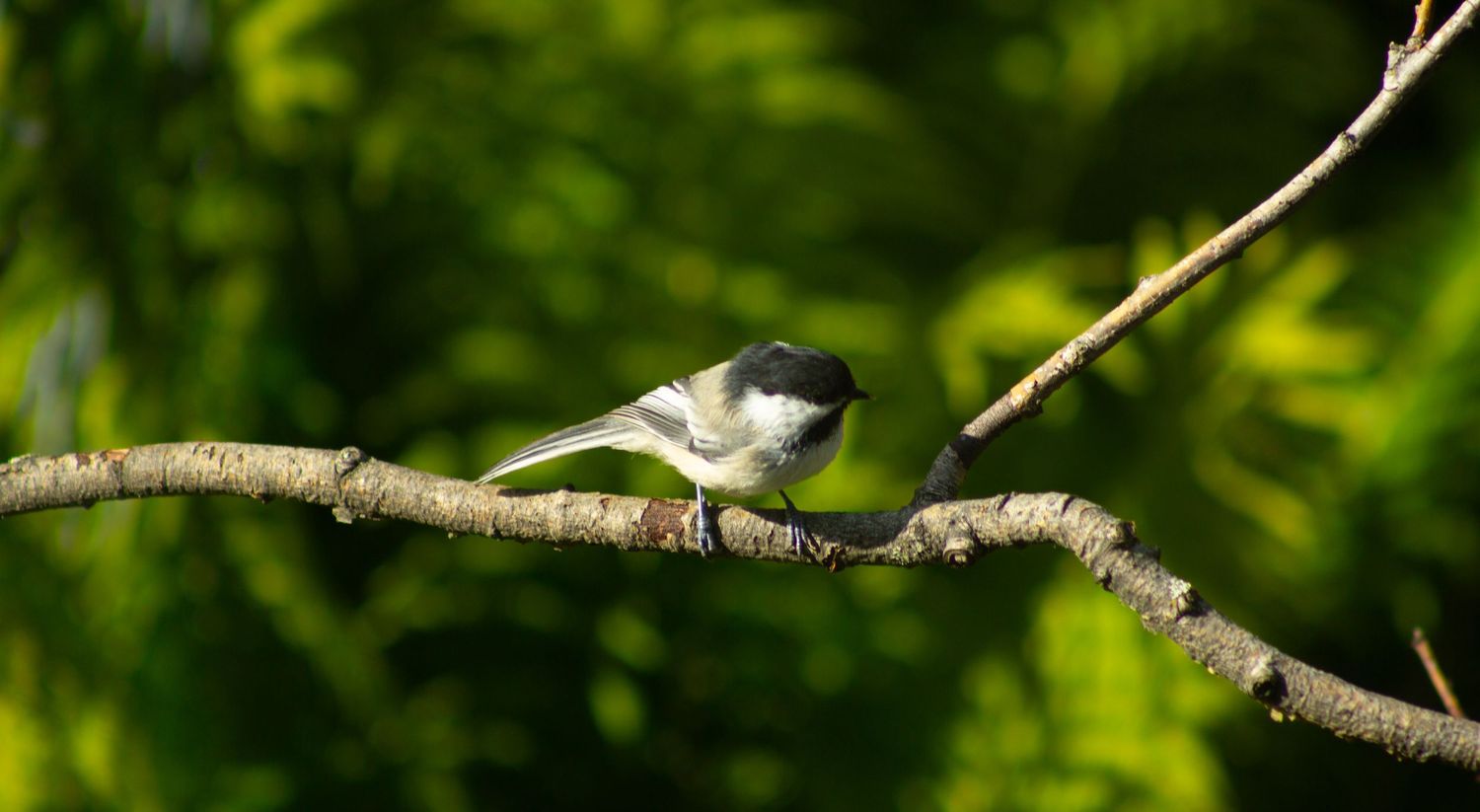
300mm, 1/350, f/5.6, ISO 100. A black-capped chickadee. It is a passerine bird or a member of the scientific order Passeriforms, which make up more than half of all bird species on Earth. Often called songbirds, although not all of them, unfortunately, sing. This individual was on this branch for only a couple of seconds. Remarkably loud for such a small package, we frequently wake up to her songs.